
Metal roofs have moved far beyond barns and mountain cabins. Walk through neighborhoods in Charlotte and Raleigh today, and you will spot standing seam panels on modern farmhouses, metal shingles on traditional brick homes, and accent metal over porches and bay windows. Homeowners are drawn to the long lifespan, the clean look, and the strong performance in storms, but they also arrive with real questions about noise, cost, and whether metal suits their house. Camden Roofing serves homeowners across Charlotte and Raleigh, and this guide walks through the panel styles, the installation steps, the tradeoffs, and the questions worth asking before you commit to a metal roof installation.
Why Homeowners Are Taking a Second Look at Metal
Several practical reasons keep pushing metal into the conversation. A quality metal roof can last several decades, often outlasting multiple asphalt roofs, which changes the math for people who plan to stay in a home for a long time. Metal sheds rain, snow, and debris quickly, resists rot and insects, and does not crack or curl the way aging shingles do. It also reflects a large share of solar heat when paired with the right finish. These strengths explain why interest keeps growing, but metal is not automatically the right answer for every house, and the best results come from matching the system to the home and the budget.
Standing Seam, Exposed Fastener, and Metal Shingles Compared
Three main systems dominate the market. Standing seam panels run vertically from ridge to eave with raised seams that hide the fasteners, giving a sleek look and strong weather protection, at a higher price. Exposed fastener panels, sometimes called screw-down panels, use visible screws with rubber washers, cost less, and need periodic checking because those washers wear over time.
Metal shingles and tiles are stamped to imitate slate, shake, or tile, which suits homeowners who want the durability of metal with a traditional appearance. Your roof pitch, your home’s style, and your tolerance for maintenance should guide which system makes sense.
How Metal Handles Carolina Weather
Our region delivers heavy summer downpours, strong thunderstorm winds, and the occasional hailstorm, so performance in a storm matters. Properly installed metal panels carry high wind ratings because the panels interlock and are fastened to the structure along their length. Hail can leave cosmetic dents on softer metals such as aluminum or thinner steel, though the roof usually keeps shedding water. Many homeowners also ask about lightning, and the reassuring answer is that metal does not attract strikes, and it is not combustible, which may help in a strike. Because metal sheds water so effectively, correct gutters and drainage matter just as much as they do with any other roof.
Is a Metal Roof Noisy When It Rains?
This question comes up in almost every consultation. A metal roof installed over solid decking with proper underlayment and attic insulation is usually no louder than other roofing materials inside the home. The noisy reputation comes from older barns and sheds, where panels sat over open framing with no decking or insulation to absorb sound. If quiet is a priority, ask your installer about the layers beneath the panels, because underlayment choice and insulation levels make a noticeable difference. Walking through a finished roof project and listening during a rainstorm is also a good way to set your expectations.
Understanding the Cost and Long-Term Value
Metal costs more upfront than asphalt shingles, and the gap depends on the system you pick. Standing seam sits at the top of the range, while exposed fastener panels are more economical. The extra investment buys years of service, lower maintenance, and sometimes insurance or energy advantages, though those vary by carrier and home. Resale value can improve too, since buyers often view a metal roof as a durable upgrade. The fair way to compare is cost per year of expected life, along with how long you plan to own the house. If you may move within a few years, the payback case becomes weaker.
The Installation Process Step by Step
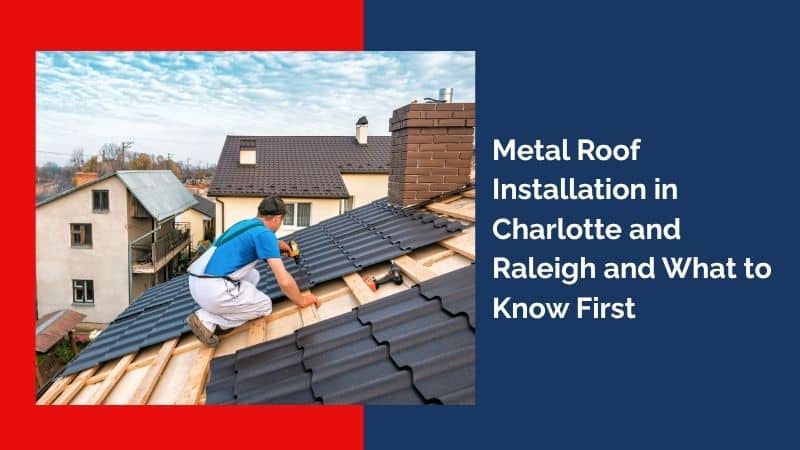
A well-run installation follows a clear sequence. The crew inspects the deck and replaces any damaged sheathing, then installs ice and water protection in vulnerable areas and a synthetic or felt underlayment across the roof. Metal drip edge goes on at the eaves and rakes, and valleys, penetrations, and walls receive carefully formed flashing. Panels are measured, cut, and fastened according to the manufacturer’s pattern, with trim pieces closing the ridge, hips, and edges. A final walkthrough checks seams, fasteners, and cleanup. Skipping the flashing details is where many metal roof failures begin, so ask to see how those areas will be handled on your home.
Can Metal Go Over Existing Shingles?
Sometimes, but it is not always the best idea. Local building codes and manufacturer rules decide whether metal may be installed over one layer of shingles, and some systems require battens or a separation layer to keep air moving. Covering old shingles can hide soft decking, trap moisture, and add weight, and it makes later repairs harder. Tearing off the old roof costs more, yet it lets the crew inspect and repair the deck, which protects the new roof for its full life. A trustworthy contractor will explain both paths honestly and recommend the one that fits the condition of your existing roof.
Finishes, Colors, and Coatings
The paint finish on a metal panel affects how it looks and how long it holds that look. High-quality baked-on finishes resist fading and chalking far better than basic paint, and many manufacturers back them with long finish warranties. Lighter and cool-rated colors reflect more heat, while darker colors give a bold, modern contrast.
Match the color to your siding, trim, and surrounding homes, and check any homeowners association rules before ordering. Ask to see physical samples outside in daylight, since a color can look very different on a screen than it does across an entire roof.
Metal Roof Repair and Maintenance
Metal is low maintenance, not no maintenance. Check the roof once or twice a year and after major storms for loose trim, damaged sealant, and worn fastener washers on exposed fastener systems. Keep gutters and valleys clear of leaves so water drains freely, and trim limbs that could scratch the finish. When something does go wrong, prompt metal roof repair prevents small issues from spreading, since a loose panel or failed seal can let water reach the deck. Avoid walking on panels without proper footwear and technique, because the surface can be slippery and some profiles dent under concentrated weight.
How to Vet a Metal Roofing Installer
Metal work rewards experience, so vetting matters. Ask how many metal roofs the crew has installed locally, which panel brands they use, and whether the installers are trained by the manufacturer. Request references from past customers, proof of licensing and insurance, and a written description of the underlayment, flashing, and fastening plan.
Our own list of questions to ask metal roofing contractors goes deeper on this topic. Finally, get both the manufacturer warranty and the workmanship warranty in writing, because the installation quality determines how long the panels perform.
Energy Use and Comfort Inside the Home
Metal can influence how a house feels in July. Reflective finishes bounce a large share of sunlight away, and an air gap or vented underlayment between the panels and the deck lets heat escape instead of soaking into the attic. Combined with good attic insulation and ventilation, this can ease the load on your air conditioning during long, humid summers.
Results differ from home to home, so treat advertised savings as a possibility rather than a promise. Ask your installer how the roof assembly will be built, because ventilation details are what turn a reflective surface into a more comfortable house.
Scheduling a Metal Roof Project in the Carolinas
Metal installs well across most of the year, but weather still shapes the schedule. Dry, mild stretches in spring and fall make panel handling and sealant curing easier, while summer thunderstorms can interrupt work with little warning. Material lead times for custom colors and trim can add a few weeks, so plan ahead rather than waiting for a failing roof to force the timeline. Booking an inspection and estimate early gives you time to choose a system, confirm any homeowners association approval, and line up the crew before the busy storm season arrives.
A metal roof can be an excellent investment when the system, the home, and the installer are well matched. Camden Roofing helps homeowners across Charlotte and Raleigh compare options honestly and plan an installation that performs for decades. To learn more about our team, or read about metal roofing benefits before you request a free estimate.
Frequently Asked Questions
1. How long does a metal roof typically last?
Many quality metal roofs last forty to seventy years depending on the metal, finish, and installation quality, which is often far longer than a standard asphalt shingle roof.
2. Are metal roofs more expensive than asphalt shingle roofs?
Yes, metal generally costs more upfront than asphalt, but its longer lifespan and lower maintenance can make the cost per year of service competitive for long-term owners.
3. Will a metal roof be loud during rainstorms?
Not usually, because solid decking, underlayment, and attic insulation absorb most sound, so a properly installed metal roof is typically no louder than other common roofing materials.
4. Can a metal roof be installed over my existing shingles?
Sometimes, if local code and the manufacturer allow it, but tearing off old shingles lets crews inspect the deck and usually produces a more reliable, longer-lasting result.
5. Does a metal roof need regular maintenance?
It needs light upkeep, including yearly inspections, clearing debris from gutters and valleys, and checking trim, sealant, and fasteners so small issues never become expensive leaks.