
That fuzzy green patch creeping across your shingles might look harmless, even a little charming. It isn’t. Moss holds water against the roof surface, and over time it can lift shingles and shorten the life of your roof. The good news is that roof moss removal is very doable if you pick the right moment and the right method. The bad news is that plenty of popular shortcuts, like blasting it with a pressure washer, do more harm than the moss ever did. Here’s how to deal with it safely in Charlotte and Raleigh, and how to keep it from returning.
Why Is Moss Growing on Your Roof?
Moss needs three things: moisture, shade, and a surface where it can hang on. Our humid Carolina climate supplies plenty of moisture, and mature trees supply the shade. The north-facing slope of a roof stays damp the longest because it gets the least sun, so that’s usually where the first patches appear. Roofs that sit under oaks and pines collect leaves, needles, and pollen, and that debris feeds the moss and holds water in place.
Older shingles are a better home for moss than new ones. As granules wear away, the surface gets rougher and holds more moisture. Low spots, valleys, and the area around chimneys and vents also tend to stay wet. If you see moss in one section only, look at the nearby trees and the way water moves across that part of the roof. The cause is usually right there.
Is Moss Actually Harmful or Just Ugly?
It’s genuinely harmful when it’s left alone. Moss grows in thick mats that trap moisture against the shingles. That constant dampness can break down the asphalt over time, and the roots can work their way under shingle edges. As the moss grows, it can lift tabs, which lets wind-driven rain sneak underneath. Heavy clumps also hold water through freezing weather, and freeze-and-thaw cycles can crack materials.
It helps to know what you’re looking at, though. Dark streaks on a roof are usually algae, not moss. They look bad but behave differently, and many shingles are made to resist them. If you’re curious about how manufacturers handle that, this explanation of algae ratings on shingles is a helpful starting point. Moss is thick, raised, and green or brown. Algae is flat and dark. Treat both promptly, but know which one you have.
What Is the Best Time of Year to Remove Moss From a Roof?
Timing matters more than most people realize. Aim for a dry stretch with mild temperatures. Early fall is a popular choice because summer heat has passed, leaves haven’t fallen yet, and you can clear the roof before the damp winter months. Late spring works too, once pollen settles and before intense summer heat. Many guides on the best time of year to remove moss from a roof land on the same advice: pick a calm, dry day.
Avoid wet or frosty mornings, since a damp roof is slippery and dangerous. Skip the hottest afternoons too, because strong sun can dry cleaning solutions before they work and make the surface hot to touch. Rain right after treatment can wash products away, so check the forecast for at least a day or two ahead. Treating moss when it’s actively growing, in a cool and damp season, often helps products work, so a dry day in that window is ideal.
Which Roof Moss Removal Methods Are Safe for Shingles?
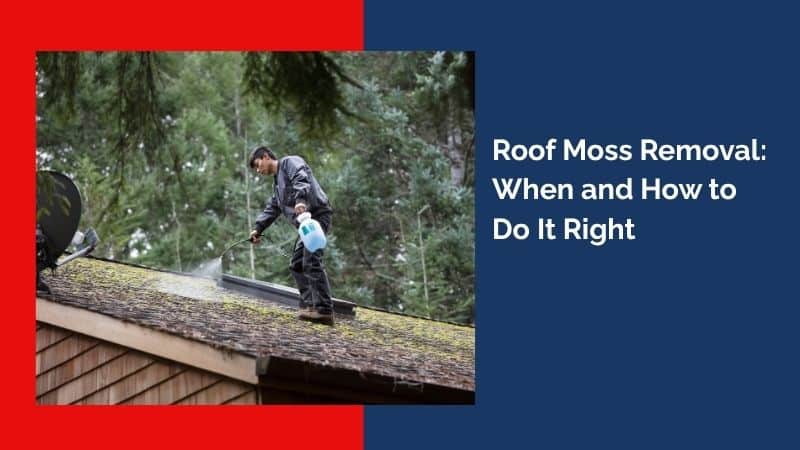
Gentle wins every time. The safest hands-on method is a soft bristle brush used with light pressure, working from the top of the roof downward so you don’t scrape against the grain of the shingles. Never use a stiff wire brush or a scraper. For stubborn patches, a moss treatment made for roofs, applied according to the label, helps kill the moss so it can loosen and rinse away over the following weeks.
Always read and follow the product directions. Some cleaners can harm plants, stain siding, or damage metal flashing, and runoff can affect gardens below the roof. Protect landscaping with plastic sheeting and rinse thoroughly. Use a regular garden hose with ordinary pressure for rinsing, aiming downward from the ridge. If you’re unsure what’s safe for your specific shingles, ask the manufacturer or a roofer before you start, since some roof types have special care requirements.
Why Pressure Washing Does More Harm Than Good
It’s tempting. The machine is loud, powerful, and the moss disappears fast. The problem is what else disappears. High-pressure water strips protective granules off asphalt shingles, which are the little stones that shield the roof from sun and rain. Once they’re gone, the shingles age faster and can start leaking sooner. The water can also get driven under shingles and into the roof deck.
Damage from pressure washing often isn’t visible until later, when granules collect in gutters or leaks begin. Some manufacturers warn that aggressive cleaning can affect warranties. If a company offers to pressure wash your roof, ask how they protect the shingles and what pressure they use. A reputable crew will talk about soft washing and low-pressure methods, not blasting the surface clean.
Can You Do It Yourself Safely?
Technically, yes. Practically, think hard before you climb up there. Roofs are steep, and moss makes them slick. Falls from ladders and roofs cause serious injuries every year, and cleaning products only add to the risk. If your roof is steep, high, or covered in thick moss, hiring a professional is the smarter move.
If you do tackle a small section from a stable position, use a proper ladder, wear soft-soled shoes with good grip, and never work alone. Skip it entirely in wet or windy conditions. A roofer such as Camden Roofing can inspect the roof, remove moss safely, and spot damage you wouldn’t notice from the ground. That inspection is often worth the call alone, because moss tends to hide problems like lifted shingles and worn flashing.
How Do You Stop Moss From Coming Back?
Removal is only half the job. Prevention keeps you from repeating it. Start with the trees. Trimming branches that shade or drop debris on the roof lets sun and air dry the surface, which moss hates. The impact of tree debris on your roof and gutters is bigger than most homeowners expect, so keep that area clear.
Next, keep gutters flowing so water doesn’t back up onto the roof edge. Many homeowners install zinc or copper strips near the ridge. When rain hits the metal, trace amounts wash down the roof and discourage new growth. When a roof is due for replacement, algae-resistant shingles add another layer of defense. None of these steps is a magic bullet, but together they slow moss dramatically, especially on shaded roofs.
When Is Moss a Sign You Need More Than a Cleaning?
Sometimes the moss is only the visible part of a larger problem. Look for curling or cracked shingles, bare patches where granules have worn away, and soft or spongy spots when you look at the roofline from the ground. Water stains on ceilings or in the attic suggest moisture has already found its way in. Check for sagging too, since a damp roof deck can weaken.
If you see any of that, cleaning alone won’t solve it. Scheduling a roof repair assessment helps you understand what’s damaged and what can be saved. In some cases, a repair is enough, and in others the roof is near the end of its life. Either way, it’s better to know now, while the fix is smaller and cheaper, than after a leak forces the decision.
What Does Professional Roof Moss Removal Cost?
Prices vary with roof size, pitch, how thick the moss is, and how hard the roof is to reach, so there isn’t one flat number. A small, easy roof with light growth costs far less than a tall, steep roof with heavy buildup. Ask for a written quote that explains the method, whether treatment products are included, and whether the crew will protect your landscaping and gutters.
It also helps to ask how the company handles follow-up. Moss treatments often work over several weeks as the dead growth loosens and rinses away, so a good contractor will tell you what to expect after the visit. Compare the cost of professional roof moss removal with the cost of replacing shingles early, and the service usually looks like a bargain.
Moss won’t ruin your roof overnight, but ignoring it gives it time to cause real damage. Pick a dry, mild day, use gentle methods, avoid the pressure washer, and deal with the shade and debris that invited it in the first place. If your roof is steep or the patches are large, get a professional involved. A little attention now keeps small green patches from turning into a bigger bill later.
Frequently Asked Questions
1. What is the best time of year to remove moss from a roof?
Choose a dry, mild day, often in early fall or late spring. Avoid wet, frosty, or very hot weather, which makes the roof slippery and treatments less effective.
2. Is it safe to pressure wash a roof to remove moss?
Generally no, because high pressure strips protective granules from shingles and can force water underneath. Gentle brushing and approved moss treatments are safer for asphalt shingle roofs.
3. Does moss damage shingles?
Yes, thick moss holds moisture against the roof, can lift shingle edges, and speeds up aging. Removing it early helps protect the roof and prevent leaks.
4. How can I prevent moss from growing back?
Trim overhanging branches, keep the roof and gutters clear of debris, and consider zinc or copper strips. Algae-resistant shingles also help when it’s time to replace.
5. What is the difference between moss and algae on a roof?
Moss is thick, raised, and green or brown, while algae forms flat dark streaks. Both trap moisture, so treat each promptly with methods suited to shingles.
6. Should I hire a professional for roof moss removal?
If your roof is steep, high, or heavily covered, yes. A pro can work safely, avoid shingle damage, and check for hidden problems beneath the moss.