
Raleigh sees a steady share of severe summer thunderstorms each year, and when a storm rolls through, response time matters more than homeowners often realize until they are the ones waiting. Camden Roofing responds quickly to storm damage across our established Raleigh service area, and this guide walks through what to do immediately after a storm, how the repair and insurance process works, and what Raleigh homeowners should watch for in the days and weeks following severe weather, even when damage is not immediately obvious.
What to Do in the First Hours After a Storm
Safety comes first, which means staying off the roof entirely until any active weather has fully passed and conditions are stable. Once it is safe, a homeowner can walk the property’s perimeter looking for obvious debris, displaced shingles, or damaged gutters visible from the ground. Photographing any visible damage immediately, including debris in the yard that likely came from the roof, creates a helpful record before cleanup begins. If water is actively entering the home, placing a container to catch it and moving nearby belongings prevents secondary damage while waiting for a professional assessment.
How Wind and Hail Affect Raleigh Roofs Differently
Wind damage typically shows up as lifted, creased, or completely missing shingles, often concentrated along roof edges and ridge lines where wind pressure is strongest. Hail damage looks different, appearing as small dents or bruises on shingle surfaces that can be easy to miss from the ground but significantly shorten a shingle’s remaining lifespan. Raleigh’s position inland from the coast means the area sees more thunderstorm-driven wind and hail events than hurricane-force wind, which calls for an inspection process specifically tuned to these damage patterns rather than a generic storm checklist. A trained eye distinguishes hail bruising from ordinary shingle aging fairly quickly, but an untrained homeowner glancing up from the ground almost always misses it entirely.
The Professional Storm Inspection Process
A thorough storm damage roof repair process begins with an inspection that covers far more than a quick glance at visible shingles. A trained technician checks for granule loss in gutters, examines flashing around chimneys and vents for lifted or cracked seals, and inspects the attic for any signs of water intrusion that might not yet be visible on the ceiling below. Documentation matters heavily at this stage, since detailed photos taken close to the storm event provide the clearest evidence if an insurance claim becomes necessary. Camden Roofing provides Raleigh homeowners with a full written report following every free roof inspection Raleigh residents request after a major weather event.
Navigating the Insurance Claims Process
Filing a storm damage claim starts with contacting the homeowner’s insurance carrier promptly, ideally within a few days of the event, since some policies have specific reporting windows. An adjuster will typically visit to assess damage independently, and having a contractor’s own documentation ready to compare against the adjuster’s findings often results in a more accurate and complete claim. Camden Roofing regularly works alongside Raleigh homeowners during adjuster visits, providing our own assessment as a reference point rather than leaving homeowners to navigate the process entirely alone.
Temporary Protection While Repairs Are Scheduled
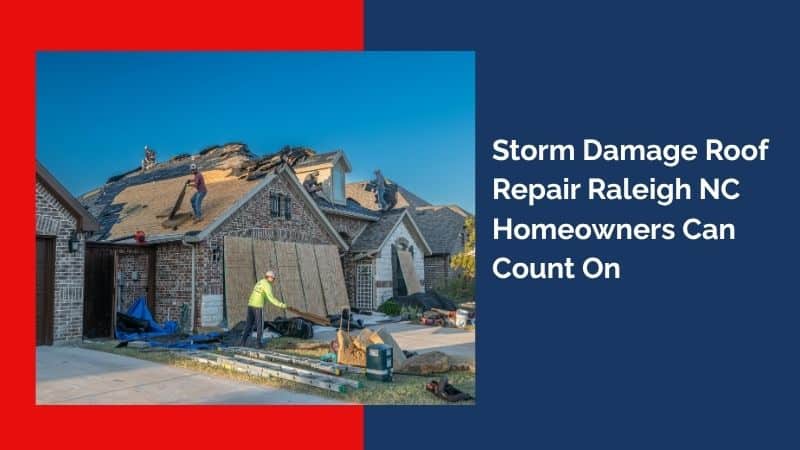
When damage creates an active leak risk, temporary measures like tarping exposed areas prevent additional water intrusion while permanent repairs are scheduled and any insurance claim is processed. A properly installed tarp secures at the roof’s ridge line and extends well past the damaged area to shed water effectively rather than simply covering the visible hole. Camden Roofing offers emergency tarping for Raleigh homeowners facing active leaks, which buys time without forcing a rushed, poorly planned permanent repair. This step also protects the interior of the home from further damage while insurance paperwork and scheduling get sorted out, which can sometimes take longer than homeowners initially expect.
What a Complete Storm Repair Involves
A proper storm repair addresses the full scope of damage rather than patching only the most visible section. This often means replacing an entire slope of shingles rather than a small isolated patch, since matching discontinued or weathered shingle colors exactly is rarely possible and can affect resale value if left mismatched. Flashing, vent boots, and gutters damaged in the same storm should be addressed in the same project when possible, since separating these repairs into multiple visits increases both cost and the chance of a missed issue. A single comprehensive repair visit also simplifies insurance documentation, since every covered item appears on one clear invoice rather than several scattered receipts.
Preventing Future Storm Damage in Raleigh
While no roof is entirely storm-proof, certain steps reduce vulnerability significantly. Trimming tree limbs that hang over or near the roofline removes a major source of impact damage during high wind events. Scheduling a roof inspection before storm season each year catches small existing weaknesses, like aging sealant or loose shingles, before a major storm turns them into serious leaks. Homeowners due for a roof replacement in Raleigh, NC, soon may also want to consider upgrading to a higher wind-rated shingle product during that project, which reduces future storm vulnerability going forward.
Common Storm Patterns Specific to Raleigh
Raleigh’s location places it along a common path for severe thunderstorm cells moving through central North Carolina during spring and summer months, often bringing straight-line wind gusts capable of matching or exceeding hurricane-force wind speeds for brief periods. These fast-moving storms differ from the steadier wind exposure of a tropical system, since they tend to cause more concentrated, localized damage rather than uniform wear across an entire neighborhood. This pattern means two homes on the same street can experience very different levels of damage from the same storm, which is why an individual inspection matters more than assuming a neighbor’s outcome applies to every property nearby.
Working With a Local Contractor During Peak Storm Season
Storm season creates a surge in demand for roofing services across the entire Raleigh area, and Raleigh homeowners sometimes find themselves waiting longer for an inspection when relying on a contractor based far outside the immediate area. A company with an established local presence in Raleigh and the surrounding communities can typically respond faster during these high-demand periods, since travel time and scheduling logistics play a smaller role. Camden Roofing prioritizes prompt response during active storm seasons specifically because delayed inspections often mean more accumulated interior damage by the time repairs finally begin.
Storm damage rarely waits for a convenient time, and Raleigh homeowners deserve a roofing partner who responds quickly with real documentation and honest repair recommendations. Camden Roofing has supported storm recovery across the greater Raleigh area for years. To learn more about our team, or explore our storm damage repair services, schedule an inspection today.
Frequently Asked Questions
1. How quickly should I get my roof inspected after a storm in Raleigh?
Within a few days is ideal, since prompt documentation supports any insurance claim and catches active leaks before they cause further costly interior damage.
2. Does homeowners insurance typically cover storm damage roof repair?
Most policies cover sudden storm damage from wind or hail, though coverage details vary by provider, so reviewing the specific policy terms is always worthwhile.
3. Can I stay in my home during storm damage roof repairs?
Yes, most storm repairs are completed while homeowners remain comfortably in the house, since nearly all the work happens on the exterior roof surface.
4. How long does a typical storm damage repair take in Raleigh?
Most repairs are completed within one to two days, though larger scope repairs involving multiple roof sections and flashing may take a bit longer.
5. What should I do if I notice a leak right after a storm?
Place a container to catch water, move nearby belongings out of the way, and contact a roofing company promptly for emergency tarping and inspection.