
A thunderstorm rolls through Raleigh, the wind howls for twenty minutes, and the next morning your yard is full of twigs and your gutters look a little off. Storm damage roofing problems often hide in plain sight, and the sooner you spot them, the less they cost to fix. This guide shows you what the damage looks like, how to document it safely, how the insurance side works and when a repair is enough. You don’t need to be a roofing expert to handle this, just a little patience and a good set of photos.
Signs Your Roof Took a Hit From the Storm
Wind damage and hail damage leave different clues. Wind tends to lift and crease shingles, tear them loose or send them flying into the neighbor’s yard. You may see bare patches, shingle tabs folded back or a ridge line that looks ragged. Hail leaves bruises: small round dents in the shingle surface, shiny spots where the granules have been knocked off, and dings on metal items like vents, flashing and gutters.
Granules are a useful clue. If you find a drift of small, sand-like pieces at the bottom of your downspouts after a storm, your shingles may have lost some of their protective coating. Inside the house, look for new stains, damp insulation or daylight in the attic. A tree limb that landed on the roof, even without a visible hole, can crack decking and loosen nails.
Damage isn’t always dramatic. Some of the worst problems look like nothing from the driveway, and the leak doesn’t show up until the next heavy rain.
How to Check Safely and Document the Damage
Start from the ground with binoculars. Walk around the house and scan each roof slope, the chimney, the vents and the gutters. Don’t climb a ladder onto a wet or steep roof. A phone camera with a good zoom can capture a surprising amount of detail, and a professional can handle what you can’t see from below.
Write down the date and time of the storm, and note anything you saw or heard: hail the size of marbles, a loud crack from a tree, the power flickering. Take wide shots of each side of the house, then close ups of anything unusual. Photograph dents on the garage door, patio furniture and the car too, because hail damage rarely hits only the roof.
Keep everything in one folder on your phone and back it up. These notes and photos become the foundation of your claim, and they make the conversation with an adjuster much simpler.
How Storm Damage Roofing and the Insurance Claim Process Work
Most homeowners’ policies cover sudden damage from wind, hail and falling objects, though deductibles and exclusions vary, so read your policy before you call. An insurance claim usually starts with a call to your carrier, a claim number and a visit from an adjuster who looks at the roof and decides what’s covered.
This is where a roofer can help. A contractor who knows what adjusters look for can inspect the roof first, mark the damage, photograph it and explain what the repair involves. Camden Roofing assists homeowners through every step of the insurance claim process, and its storm damage repair service covers wind, hail and fallen trees. You’re not obligated to use the first company your insurer mentions. You choose the contractor who does the work.
Don’t be surprised if the adjuster’s estimate and a contractor’s estimate differ. Supplements are common when hidden damage turns up after the old shingles come off. Keep communication in writing when you can, and ask questions until you understand what’s covered and what isn’t.
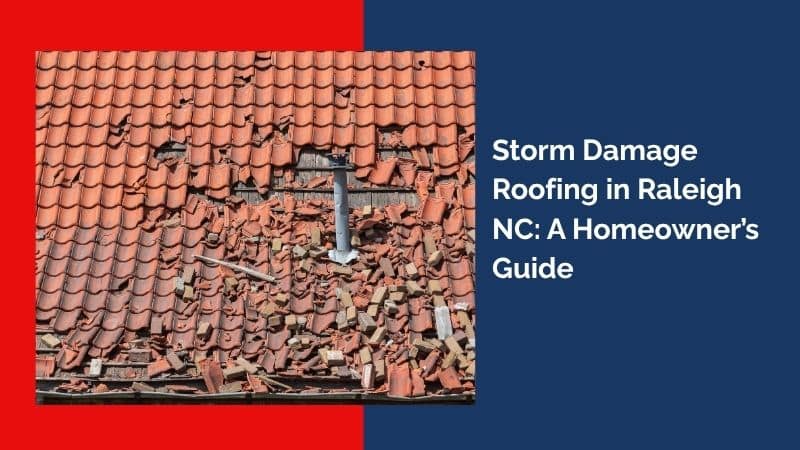
Repair or Replacement After a Storm?
Plenty of storm damage roofing jobs come down to a handful of repairs: replacing missing shingles, resealing flashing, fixing a vent. If the damage is limited to a small area and the rest of the roof is in decent shape, repair is usually the sensible choice.
Replacement enters the picture when the damage is widespread, when hail has bruised most of a slope, or when the roof was already near the end of its life, and the storm pushed it over. Matching old shingles to new ones can also be tricky on an older roof, and sometimes a full roof replacement turns out to be more practical than a patchwork of fixes. A good roofer will tell you which camp you’re in and show you the evidence.
If a new roof is the answer, the cost can feel heavy at a bad moment. Ask about financing options early, and ask your insurer how replacement coverage is calculated under your policy so you know what you’ll owe out of pocket.
Timing, Deadlines and Who to Call
Move quickly, but don’t rush into a decision. Many policies set time limits for reporting storm damage, so read yours and file promptly, even if you’re not sure how bad things are. Waiting also gives a small leak time to become a big repair.
After a major storm, out of town crews often go door to door with offers that sound too good to pass up. Treat unsolicited offers with caution and never sign anything on the spot. Look for a local company with a track record you can check. Reading customer reviews and browsing a gallery of completed projects gives you a feel for the quality of the work before you ever pick up the phone.
Get at least one written estimate that lists the scope, the materials and the warranty. Keep every receipt and document in your storm folder until the claim is closed and the work is finished.
What to Do If Your Claim Is Denied or Underpaid
Sometimes the adjuster’s number doesn’t match what the repair actually costs, or a claim gets denied outright. Don’t panic, and don’t assume that’s the final word. Start by asking for the decision and the reasons in writing, then read it carefully against your policy. Denials often come down to a specific exclusion, a disagreement about the cause of the damage or a question about how old the damage is.
If you think the assessment missed something, gather more evidence. A detailed report from a roofer, dated photos and records of the roof’s age and past maintenance can all support your case, whether the problem is hail damage or wind damage. You can ask for a re-inspection, especially if more damage showed up once the old shingles were removed. Many policies also describe an appraisal process for disagreements over the amount, so check yours.
Keep every conversation documented. Note the date, who you spoke with, and what was said, and follow up important calls with an email. If the dispute drags on, your state’s department of insurance can explain your rights and how to file a complaint. Remember, too, that a repair estimate from an independent contractor is simply information, not a commitment. A calm, well-documented approach gets better results than an angry phone call.
Storm damage roofing feels stressful, but it’s manageable when you take it in order: check safely, document everything, file your claim, and choose a contractor you trust. Do those four things, and you’ll be in a strong position, whatever the adjuster decides. If a storm just passed, grab your phone and start taking photos today.
Frequently Asked Questions
1. How do I know if my roof has hail damage?
Look for round dents or dark spots on the shingles, missing granules in your gutters and dings on vents or flashing. Hail damage can be hard to see from the ground, so a professional inspection is the safest way to confirm it.
2. Will my insurance cover storm damage?
Sudden damage from wind, hail or falling trees is commonly covered, subject to your deductible and policy terms. Wear and tear and neglected maintenance usually aren’t. Your policy documents spell out exactly what applies to you, and your agent can answer questions before you file.
3. How long do I have to file an insurance claim?
It varies by insurer and policy, and some set strict windows after a storm. Check your policy or call your agent, and file as soon as you find damage. Waiting can complicate the claim and let small problems grow.
4. Should I get a roof inspection after every storm?
Not after every light shower, but after severe wind, hail, or a tree strike, it’s a smart move. A quick inspection catches problems before the next rain turns them into leaks and interior damage.
5. Can I repair wind damage myself?
Minor cleanup from the ground is fine, but roof work is dangerous, and a poor patch can cause leaks or complicate your claim. Photograph the damage before anything is touched, and let a roofer handle repairs on the roof itself.
6. Will filing a claim raise my premiums?
It can, depending on your insurer, your claim history, and local rates. Ask your agent how a claim might affect your renewal before you decide. Don’t skip a legitimate claim out of worry alone, since unrepaired damage can cost much more later.